

Written by the Commercial Solar Adelaide team
Reviewed by our CEC-accredited commercial solar specialists
The upfront solar rebate used to stop at 100kW. For systems installed from 1 October 2026 it runs to 1MW, which changes the numbers on most mid-sized Adelaide rooftops.
AI Overview
The federal Small-scale Renewable Energy Scheme now covers solar systems up to 1MW, up from 100kW, for systems installed from 1 October 2026. Systems from 100kW to 1MW now take small-scale technology certificates (STCs) as an upfront discount instead of earning large-scale certificates over time, with a fixed five-year deeming period. The Clean Energy Regulator expects applications for these systems to open in mid to late November 2026. The scheme is federal, so it applies in South Australia the same as everywhere else.
Key takeaways
- The upfront rebate limit moved from 100kW to 1MW for systems installed from 1 October 2026
- Systems from 100kW to 1MW get a fixed five-year deeming period
- Applications for these systems are expected to open in mid to late November 2026
- The government estimated around 20 per cent off the install when it announced the change
- Systems under 100kW are unchanged, and systems over 1MW stay on large-scale certificates
- It is a federal scheme, so the same rules apply in Adelaide as in every other state
What changed on 1 October 2026
Until 1 October 2026, the upfront solar rebate stopped at 100kW. A business that needed a bigger system dropped into the large-scale scheme, where certificates are earned year by year from what the system generates rather than taken off the price.
The federal government announced the change on 5 August 2026 and the regulations were made in September. Solar systems up to 1MW installed from 1 October 2026 can now create small-scale technology certificates (STCs), the same certificates behind the discount on a smaller system.
- Old limit for the upfront rebate: 100kW
- New limit: 1MW, for systems installed from 1 October 2026
- Systems from 100kW to 1MW: a fixed five-year deeming period
- Applications for these systems: expected to open in mid to late November 2026
- Administered by the Clean Energy Regulator, the same as before
Why it matters on an Adelaide rooftop
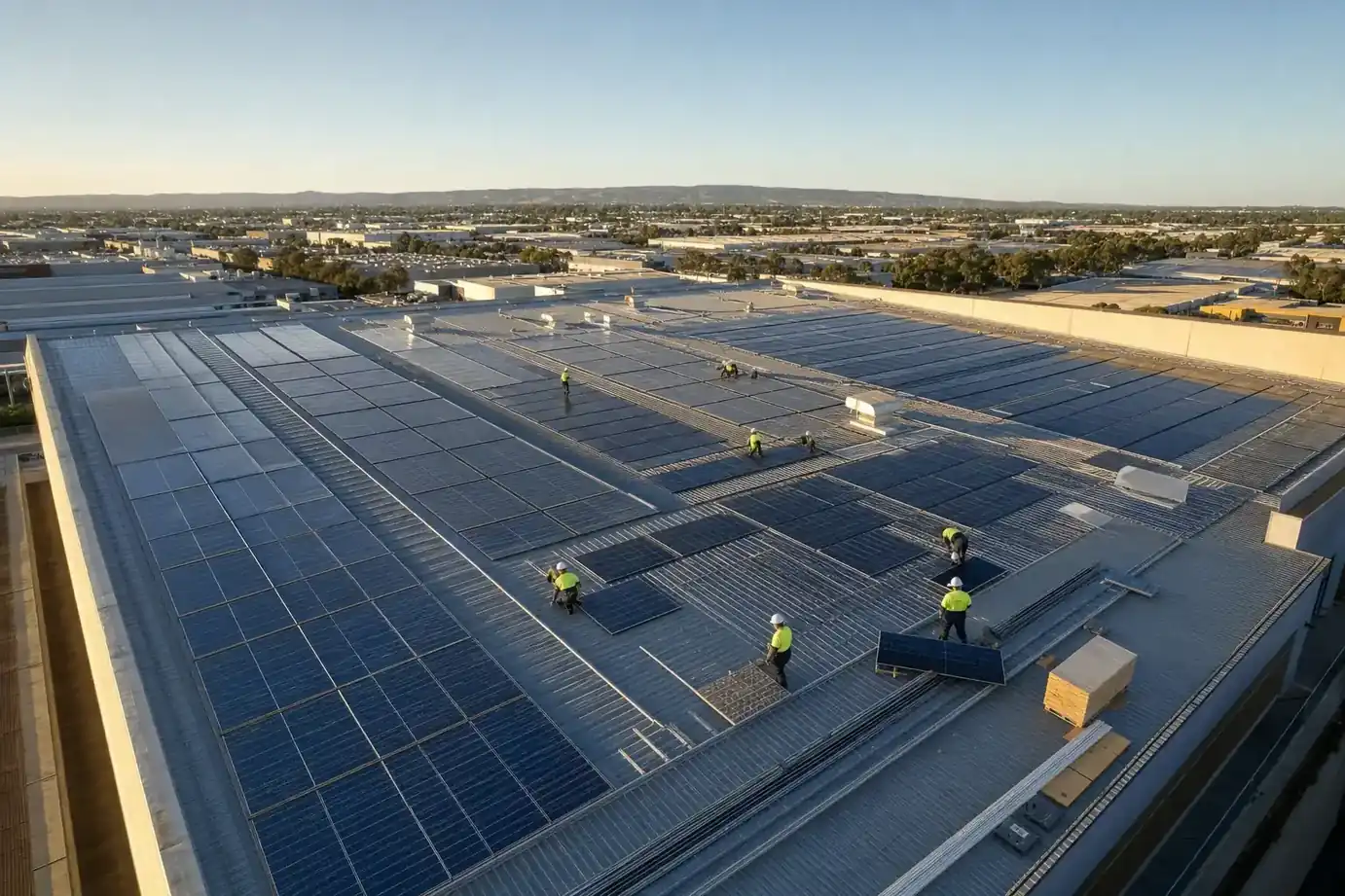
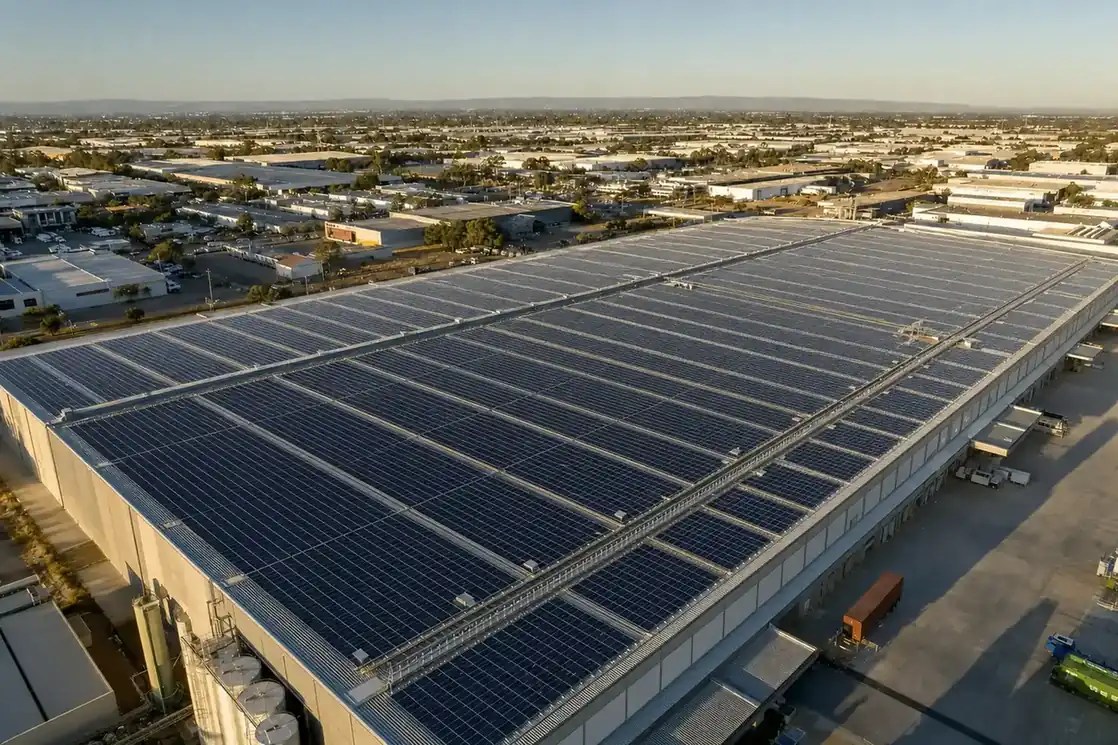
Plenty of Adelaide sites need more than 100kW to cover their daytime load. Cold stores in Wingfield, manufacturers in Lonsdale and wineries in the Barossa run refrigeration and plant through the day, and a 100kW system often covers only part of it.
Before the change, that left two choices: keep the system under 100kW to get the upfront discount, or build it to the size the site needed and wait for certificate income. A system sized to your load can now take the upfront discount up to 1MW.
We size every system from your interval meter data. If that points to 250kW or 600kW, the rebate no longer pushes you back under 100kW.
Want the numbers for your own site?
We model system size, savings and payback before you commit to anything.
What it is worth
When it announced the change, the federal government estimated it would take around 20 per cent off the upfront cost of a mid-sized system. Its worked examples were about $68,000 off a 250kW system and about $136,000 off a 500kW system.
Treat those as a sense of scale, not a quote. The certificate count depends on the system size, where it is installed and the deeming period, and the dollar value moves with the certificate market on the day it is claimed. Your written proposal shows the certificate count and the value we have assumed as separate lines.
What has not changed
- Systems under 100kW get the same upfront rebate as before
- Systems over 1MW stay on large-scale generation certificates (LGCs)
- The scheme still ends in 2030, and smaller systems still earn fewer certificates each January
- Your SA Power Networks connection approval is still needed, and on larger systems it is usually the longest step
If you are planning a system over 100kW
A system installed from 1 October 2026 already qualifies, and an install completed before applications open in November can still apply once they do. There is no reason to hold off for the rebate.
- 01Get your interval data
Twelve months of 15 or 30 minute data from your retailer shows when you use power and how big the system should be.
- 02Check the roof and switchboard
Structure, shading and switchboard capacity decide what the roof can carry.
- 03Start the SAPN application early
Connection approval for larger systems can take weeks, so it is worth starting alongside the design.
- 04Read the certificate lines on the quote
Ask for the STC count and the assumed value per certificate as separate lines so you can compare quotes properly.
Explore our commercial solar services
About Commercial Solar Adelaide
We design, install and finance commercial solar and battery systems across Adelaide and regional South Australia, built around your load profile and costed before you commit. Our guides are written and reviewed by our accredited team.
How we put this together
Figures in this guide are indicative and based on typical South Australian commercial tariffs, yields and system pricing at the time of writing. Every project is different, so treat these as a starting point, not a quote. For rebate, tax or finance questions, confirm the current detail with the relevant scheme and your accountant.